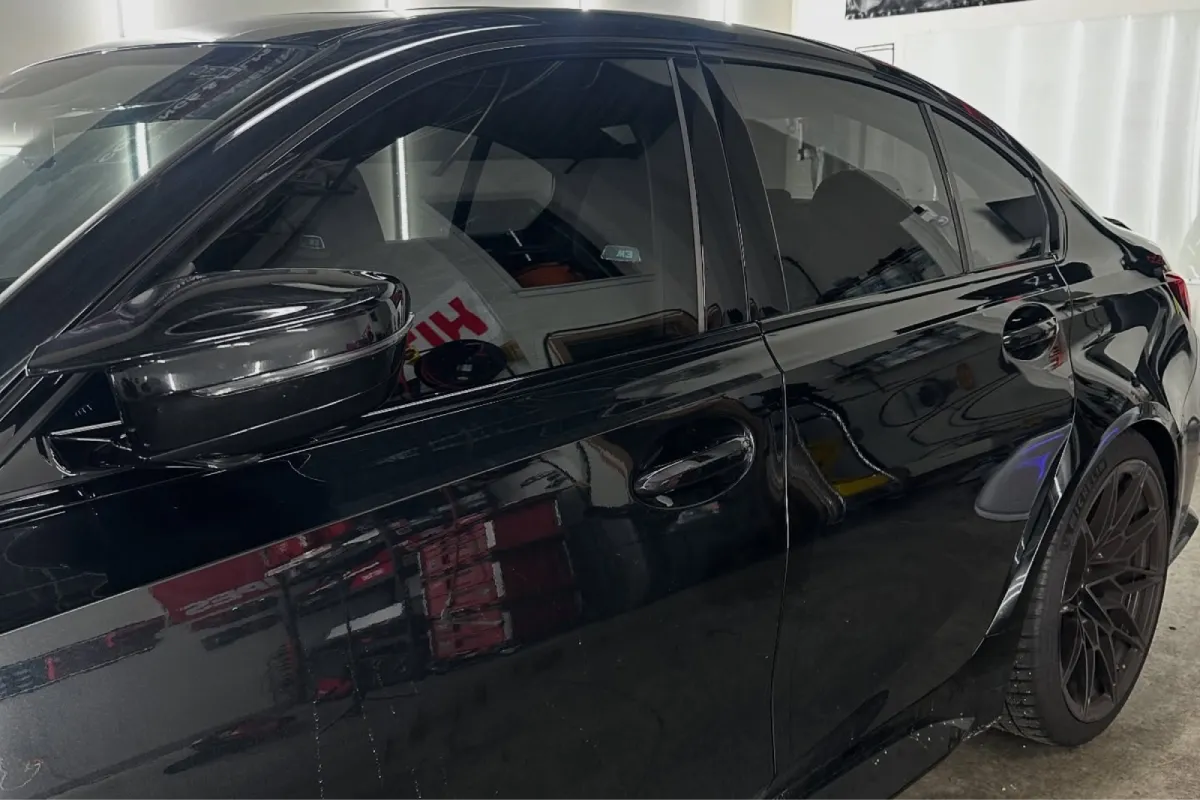
Darker car window tinting does not always provide better heat rejection because solar heat is primarily carried by infrared radiation and total solar energy rather than visible light darkness. While dark dyed films absorb light and reduce glare, advanced ceramic and metallic films utilize specialized nano-particles to block thermal energy effectively regardless of shade darkness.
The Technical Science of Solar Spectrum Transmission and Infrared Rejection
Understanding why shade darkness does not equal thermal performance requires looking at the three components of solar radiation: visible light (44%), ultraviolet rays (3%), and infrared radiation (53%). Traditional dyed window tints rely solely on pigmentation to absorb visible light, meaning a dark film can quickly saturate with heat and radiate that warmth directly into the cabin once it reaches thermal capacity.
Key Window Tint Specification Definitions
- Total Solar Energy Rejected (TSER): The percentage of total solar energy (UV, visible light, and infrared) blocked by the window film system.
- Infrared Rejection (IRR): The specific measurement of how effectively a film blocks thermal infrared wavelengths responsible for a burning sensation on the skin.
- Visual Light Transmission (VLT): The percentage of visible light allowed to pass through the glass; a lower percentage indicates a darker tint.
| Tint Technology Type | Typical VLT Range | Infrared Rejection (IRR) | Total Solar Energy Rejected (TSER) |
| Standard Dyed Film | 5% to 50% | Low (15% to 35%) | Low to Moderate (25% to 40%) |
| Metallic Hybrid Film | 20% to 50% | High (50% to 70%) | High (50% to 65%) |
| Nano-Ceramic Film | 15% to 70% | Exceptional (85% to 96%) | Maximum (60% to 88%) |
During a recent vehicle enhancement consultation for a client, our technical team examined how intense summer sunlight and glare affect daily driving comfort. Selecting the right film grade is essential, and exploring professional options for car window tinting in Minnetonka, MN helps drivers understand that high-end ceramic options outperform dark dyed films every single time by targeting invisible infrared heat rather than just blocking visible light.
Chronological Stages of Solar Energy Interaction with Window Glass
Evaluating how window film protects a vehicle interior from thermal buildup involves tracking solar rays through the glazing layers. When vehicle owners seek out reliable car window tinting in Minnetonka services, following an established installation and curing workflow ensures optimal performance against aggressive summer solar loads.
1. Solar Radiation Strike
Sunlight strikes the exterior window glass, carrying a combination of visible light, UV rays, and invisible infrared thermal energy.
2. Ultraviolet and Glare Filtration
The outermost film layer immediately blocks 99% of harmful UV rays while filtering designated visible light percentages.
3. Infrared Reflection and Absorption
Nano-ceramic or metallic particles within the film actively reflect or dissipate infrared thermal wavelengths before they enter the cabin.
4. Interior Cabin Comfort
Passengers experience significantly cooler interior temperatures and reduced air conditioning load, regardless of whether the film is dark or virtually clear.
We routinely assist drivers from surrounding communities like Edina, Plymouth, and St. Louis Park through these precise thermal management phases. Ensuring that every Minnetonka, MN car window tinting project focuses on scientific heat rejection metrics guarantees that your vehicle remains exceptionally comfortable on long summer road trips.
How-to: Evaluating Window Tint Performance Metrics
Determining whether a window film specification delivers true thermal protection rather than simple aesthetic darkness can be evaluated through an analytical review protocol. Follow these core steps:
- Review Manufacturer Specification Sheets: Request the official optics data sheet rather than relying on marketing shade names or visual darkness.
- Prioritize TSER and IRR Ratings: Compare the Total Solar Energy Rejected (TSER) and Infrared Rejection (IRR) percentages across different film samples.
- Test with Infrared Heat Lamps: Use a professional demonstration heat box to physically feel the thermal blocking difference between a dark dyed film and a high-performance ceramic film.
Whether you are upgrading a daily commuter vehicle or protecting a weekend collector car, executing this specification review prevents buyer’s remorse. High-performance Minnetonka car window tinting relies on total transparency, education, and measurable data rather than high-pressure sales pitches.
Debunking the Myth: “The Darker the Window Tint, the Cooler Your Car Will Stay”
A widespread automotive care misconception is that limo-black window tinting inherently provides superior climate control and keeps vehicle interiors significantly cooler during scorching summer months.
In reality, cheap dyed films absorb sunlight rather than blocking or reflecting it, turning the window glass into a radiant heater that eventually transfers heat directly into the cabin. Modern nano-ceramic tints can offer near-clear optical visibility while blocking up to 96% of infrared heat, proving that thermal performance is governed by advanced material science rather than dark pigments.
Elevating Your Vehicle Protection Standards
To address the demanding challenges of automotive ownership, where intense sun exposure, interior fading, and cabin heat compromise your comfort, we anchor our protection processes in a rigorous quality framework.
At Final Touch Auto Works, we position ourselves as a “detailer you can trust.” Our team favors long-term relationships over quick sales, shares clear advice, and rejects hard-sell tactics, projecting a welcoming yet expert persona. Guided by total transparency, education first, and an unwavering passion for our craft, our enthusiast technicians treat every vehicle as their own and take immense pride in the outcome.
When you entrust your automobile to our certified professionals, we execute a meticulous installation designed to reduce heat, block UV rays, and look & feel good. Our advanced nano-ceramic films deliver exceptional heat rejection, UV protection, glare reduction, enhanced privacy, and interior preservation. Backed by certified technicians, premium materials, and a deeply customer-focused approach, we utilize precision technology to provide top-quality protection & professional care for your car. As a true one-stop shop for surface protection, ceramic coatings, paint correction, PDR, and window tinting under one roof, we eliminate surprises and deliver results you can see and be proud of.
Protect Your Cabin Comfort Today
Leaving your car windows unprotected or relying on dark dyed film leaves your interior vulnerable to excessive heat buildup and UV degradation. You don’t have to suffer through hot commutes when Final Touch Auto Works provides advanced ceramic window tinting and expert installation for improved cabin comfort and protection.
Contact us today to schedule your window tint consultation, and experience the ultimate return of superior heat rejection, comfortable cabin temperatures, and long-lasting peace of mind!
Frequently Asked Questions
Can clear window tint actually block heat?
Yes. High-grade nano-ceramic clear window films can block over 85% of infrared heat without darkening the factory glass, making them ideal for front windshields.
Why do cheap window tints turn purple over time?
Cheap dyed films degrade under continuous UV exposure, causing the chemical dye to break down and shift into a faded purple hue.
Does window tint interfere with cell phone or GPS signals?
Metallic tints can sometimes interfere with electronic signals, whereas modern nano-ceramic tints are completely non-conductive and signal-friendly.
Is ceramic window tint worth the higher initial investment?
Yes. Ceramic window tint blocks significantly more infrared heat, prevents interior fading more effectively, and will not bubble, peel, or discolor over time.
Can window tint be applied over rear defroster grid lines?
Yes. Professional installers apply window film directly over rear defroster lines without harming the electrical heating elements or affecting their functionality.